Montenegro and the European Union: What Membership Could Change
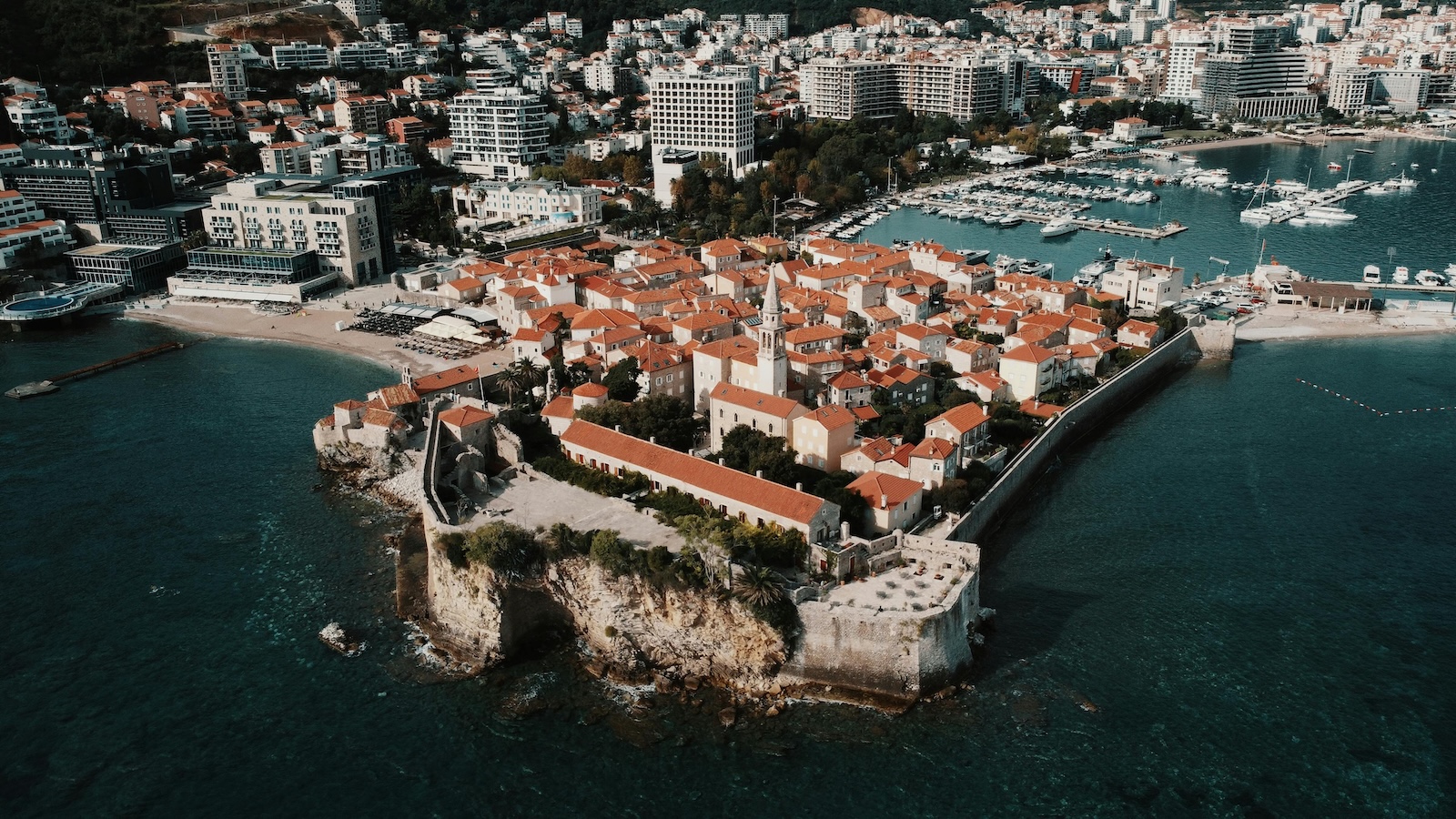
Montenegro is a leading candidate in the European Union enlargement process. All 33 negotiating chapters have been opened and, as of March 2026, 14 have been provisionally closed. The accession date remains dependent on reforms and agreement among the EU member states.
The transformation does not begin on the day of membership. It is already taking place through alignment of legislation, institutions, infrastructure, and market rules with the EU acquis. For businesses, investors, property owners, and residents, this creates both opportunities and new responsibilities.
Impact on Business
EU alignment can support a more stable legal framework, stronger protection of property rights, greater transparency, and more predictable regulation. These factors generally improve investor confidence and make cross-border operations easier.
Membership would provide Montenegrin companies with fuller access to the European Single Market. At the same time, competition and compliance requirements would increase. Companies prepared to improve efficiency, product quality, customer service, governance, and reporting will be best positioned to benefit.
Montenegro’s strategic location, euro-based economy, SEPA access, and potential Single Market access could make it an increasingly attractive small market in Southeast Europe.
Impact on Real Estate
EU membership could strengthen confidence among international property buyers by bringing further regulatory alignment, improved documentation, and stronger enforcement. Coastal markets such as Budva, Tivat, Kotor, and Herceg Novi, together with Podgorica, may attract additional residential and commercial demand.
Prices would not necessarily rise immediately or uniformly. Long-term value will continue to depend on location, construction quality, clear title, planning compliance, energy efficiency, financing conditions, and supply. Properties with unresolved legal issues may become less attractive as transparency requirements increase.
Living Standards and Opportunities
EU membership does not instantly increase wealth, but integration can support gradual improvements through investment, productivity, stronger institutions, and access to development funds.
- Potential growth in wages and employment opportunities
- Stronger worker and consumer protections
- Improved healthcare and public-service standards
- More education and professional opportunities across Europe
- Greater access to investment and development programmes
Laws and Legal Security
Continued harmonisation with EU legislation is expected to improve public administration, financial oversight, consumer protection, dispute resolution, and anti-corruption safeguards. These changes are often gradual, but they directly influence long-term confidence in institutions and investment decisions.
Food Quality and Agriculture
EU food-safety rules require stronger controls, traceability, labelling, and consumer protection. Farmers and producers may face more demanding compliance standards, while also gaining potential access to agricultural support, grants, and modernisation funding.
- Stricter food-quality and safety controls
- Clearer product labelling and traceability
- Modernisation of production and supply chains
- Potential access to EU agricultural funds
Waste Management and Environmental Protection
Environmental alignment is likely to produce some of the most visible changes. Montenegro will need sustained investment in waste collection, recycling, wastewater treatment, monitoring, and protection of air, water, rivers, lakes, and coastal areas.
These projects are costly, but can create long-term benefits for public health, tourism, and quality of life through cleaner cities, fewer illegal dumps, better recycling, and improved utilities.
Tourism and International Reputation
A more predictable regulatory environment, better infrastructure, and higher environmental standards could strengthen Montenegro’s reputation as a Mediterranean destination. This may attract more visitors, international businesses, investors, and higher-value tourism projects.
What Could Change the Most?
The most important changes are likely to be practical: stronger legal protections, better infrastructure and utilities, higher standards, cleaner public spaces, easier access to European markets, and broader economic opportunities.
EU membership is not a solution to every challenge. Its effect will depend on implementation, institutional capacity, and the ability of businesses and public bodies to use the opportunities created by integration.